

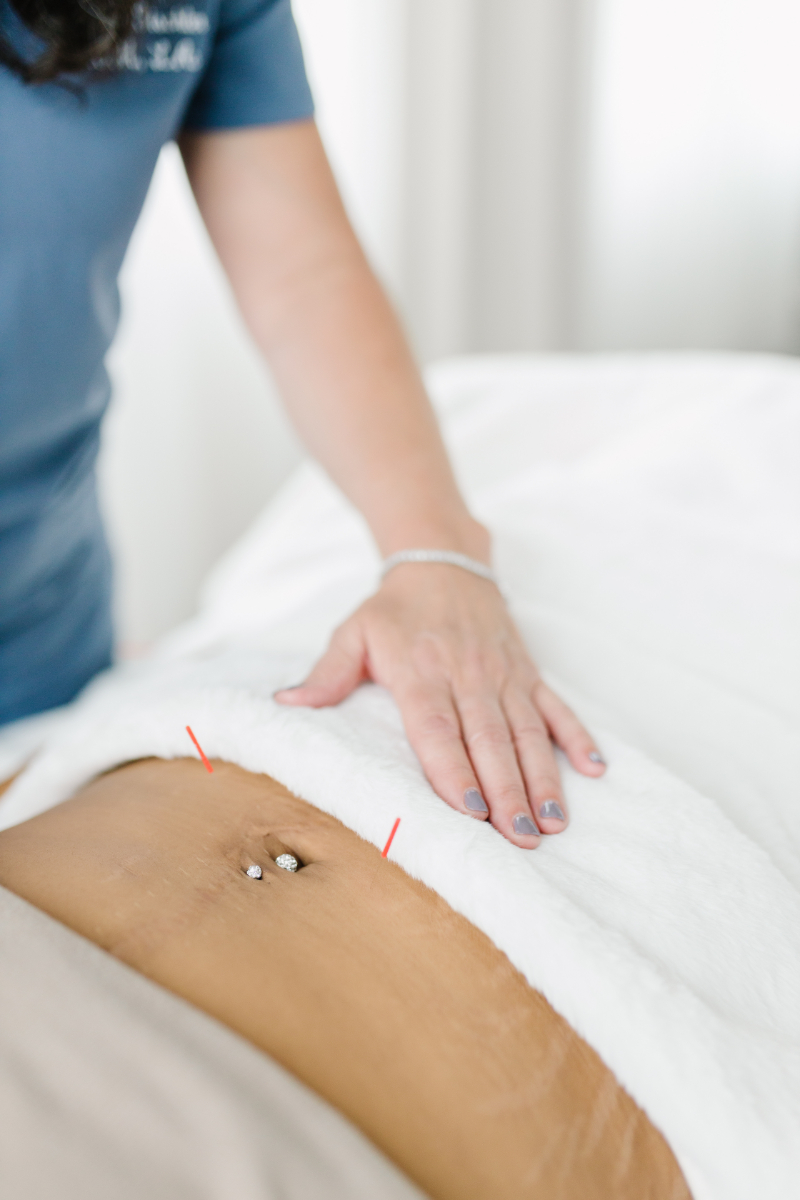

Stress is something we all deal with, whether it’s from work, personal life, or just the daily hustle and bustle. It can mess with our mood, disrupt our sleep, and affect our overall well-being. But don’t worry, it’s not all doom and gloom over here. The good news: acupuncture offers a natural way to manage and relieve stress, and it’s more effective than you think!
In today’s blog, we’re diving into how acupuncture can help you find relief from stress by balancing your hormones and improving your mood. We’ll share some of the specific techniques used, the amazing benefits, and what you can expect during a session at our Portland acupuncture clinic. Plus, we’ll share some scientific evidence and tips for combining acupuncture with other stress-relief methods.
Before we get started, if you’re in the Portland area and considering acupuncture, we invite you to book a consultation with our clinic and start your journey to better health and well-being.
What is Acupuncture?
Acupuncture is an ancient practice rooted in Traditional Chinese Medicine (TCM) that involves inserting thin needles into specific points on the body. Techniques used in acupuncture for stress relief could also include moxibustion (burning herbal compounds near the skin to warm and stimulate acupuncture points) or cupping (using suction cups to enhance blood flow and relieve tension) as well. These points stimulate the body’s natural healing processes, promote relaxation, and restore balance.
Benefits of Acupuncture for Stress Relief
While there are so many benefits to acupuncture, here are 5 ways acupuncture can help with stress:
- Reduced Cortisol Levels: Acupuncture helps to lower cortisol, the stress hormone, which can reduce feelings of anxiety and tension.
- Improved Mood and Mental Clarity: Many patients report feeling more focused and emotionally balanced after sessions.
- Overall Well-being and Relaxation: The practice promotes a sense of calm and overall well-being.
- Regulating Menstrual Cycles: For women, acupuncture can help regulate menstrual cycles and alleviate PMS symptoms.
- Alleviating PMS Symptoms: Many women find relief from the emotional and physical symptoms of PMS through regular acupuncture treatments.
One of our patients shared her own experience with acupuncture and stress relief:
“Dr. Kine Fischler helped me through a time of extreme pain and stress caused by women’s health issues (fibroids, cramps, etc). After surgery in 2024, pain returned in 2018, 2019 and into 2020. My OBGYN was out of ideas so I turned to acupuncture and I am so glad I did. While I feel mostly healed now, I still want to go back because my overall well being is enhanced by going. Acupuncture works wonders for stress and anxiety in addition to physical ailments.”
Research strongly supports acupuncture’s role in stress relief. Studies have shown that acupuncture can trigger the release of endorphins, the body’s natural painkillers, and those wonderful “feel-good” hormones. It also helps regulate the nervous system, promoting a state of calm and balance. This means that acupuncture doesn’t just make you feel better temporarily; it actually helps your body handle stress more effectively in the long run.
What to Expect During an Acupuncture Session
If it’s your first time getting acupuncture, you might be feeling a mix of curiosity and a bit of nervousness—that’s completely normal. While every session is a little different, when you arrive at our Portland acupuncture clinic, we’ll start with a friendly chat about your health history and what brings you in today. This helps us understand your specific needs and tailor the session just for you. We’re here to listen, so feel free to share any concerns or goals you have.
Once we’re ready to begin, you’ll lie down on a comfortable treatment table. We use very fine, sterile needles, and most people find the insertion to be virtually painless—some even describe it as a gentle tingling or warmth. We’ll place the needles in specific points based on your symptoms and our conversation. You’ll then get to relax for about 20-30 minutes with the needles in place. Many patients find this time incredibly calming, and some even take a little nap!
During this time, the needles are working to stimulate your body’s natural healing processes. After we remove the needles, you might feel an immediate sense of relief or calm, though the full benefits often build over several sessions.
Tips for Combining Acupuncture with Other Stress-Relief Methods
To enhance the effects of acupuncture, consider integrating other stress-relief practices into your routine:
- Exercise: Regular physical activity has been shown over and over again to boost your mood and reduce anxiety.
- Meditation: Mindfulness and meditation practices can complement acupuncture by promoting relaxation and mental clarity.
- Healthy Diet: Eating a balanced diet supports overall health and well-being.
- Herbs and Supplements: Depending on your unique situation, we may recommend herbs and supplements to help support you outside of your treatments.
Frequency of Sessions for Optimal Results
For optimal stress relief, a series of regular acupuncture sessions is recommended. Typically, patients start with weekly sessions and gradually move to bi-weekly or monthly maintenance sessions as their symptoms improve.
Acupuncture for Stress Relief
Stress is a part of life, but it doesn’t have to control it. Acupuncture offers a natural, effective way to manage stress and improve your mood. From reducing cortisol levels to promoting relaxation and overall well-being, the benefits are extensive.
If you’re in the Portland area and looking for an acupuncture clinic, contact us today to schedule a consultation and take the first step towards a calmer, healthier you.

Fire Horse Rising: What This Lunar New Year Is Asking of Your Body & Heart
Fire Horse Rising: From Shedding to Galloping February 17 marks the Lunar New Year and a powerful energetic shift — from the Yin Wood Snake

What Is the Chinese Medicine Clock? How Your Organs Follow a 24-Hour Rhythm
Ever notice your body follows a schedule of its own? The chinese medicine clock offers a simple way to understand sleep, energy, and symptoms through a 24-hour rhythm. Learn how this ancient map connects to modern life and how acupuncture at Willow Tree Clinic in Portland helps bring your body back into sync.
How Often Should You Get Fertility Acupuncture for IVF? (Hint: Start Earlier Than You Think)
How Often Should You Get Fertility Acupuncture for IVF? (Hint: Start Earlier Than You Think) If you’re preparing for IVF, you’re probably juggling a lot

Pregnancy Acupuncture Near Me: Why Portland Moms Choose Willow Tree for Nausea, Reflux, Fatigue & More
Searching for pregnancy acupuncture near me? At Willow Tree Clinic in Portland, we support nausea, reflux, fatigue, sleep issues and pain throughout pregnancy. Learn how acupuncture offers safe, evidence-informed relief and why Portland moms choose Willow Tree for personalized prenatal care that actually feels supportive.
Dry Needling vs Acupuncture: What You Need to Know
When it comes to dry needling vs acupuncture, the conversation often misses a critical point: dry needling is actually trigger point acupuncture, performed without full acupuncture training. While both use needles, the level of education, safety standards, and treatment approach are very different. This article breaks down the real differences, explains why credentials matter, and highlights how acupuncture can be both highly effective and gentle when done by properly trained professionals.

Acupuncture for Hashimoto’s: How It Helps Calm Your Immune System and Support Your Thyroid
Hashimoto’s isn’t just a thyroid issue. It can affect sleep, mood, digestion, cycles, and energy. At Willow Tree Clinic, our Portland OR acupuncture care supports the nervous system and helps settle immune overdrive, so symptoms feel more manageable. We pair acupuncture for Hashimoto’s with practical nutrition and, when needed, customized herbal support for steady, whole-body progress that fits real life.